

Hogar > Noticias > Danny Boyle’s highly anticipated sequel to 28 Days Later, titled 28 Years Later, has recently stirred intense fan discussion—particularly around its ending. While the film maintains the apocalyptic tone and visceral energy that defined the original 2002 post-apocalyptic thriller, the conclusion has left audiences divided. The story picks up 28 years after the Rage Virus pandemic devastated the world, now exploring a new generation navigating a fractured, overgrown Britain. The protagonist, a young man named Cillian, is thrust into a world shaped by both nature's reclamation and the long-term psychological scars of survivors. As the narrative unfolds, Cillian discovers that the virus may not be as "dead" as previously believed—and that humanity’s struggle for survival might be far from over. The controversial ending sees Cillian, having made a desperate choice to sacrifice a loved one in order to prevent a new outbreak, confronted by a mysterious figure who bears a striking resemblance to the original film’s protagonist, Jim (played by Cillian Murphy). In a chilling twist, the figure whispers, “It’s not over,” and then vanishes—leaving Cillian alone in a ruined London, surrounded by wild, almost sentient nature. Fans have reacted in two major ways: Supporters argue the ending reinforces the series’ central theme: that fear, isolation, and the human instinct to survive are more contagious than any virus. The ambiguity suggests the cycle of rage and destruction continues, but also hints at a possible rebirth—nature reclaiming the world, and humanity facing a new kind of evolution. Critics, however, feel the ending undermines the emotional payoff. Some believe it relies too heavily on genre tropes and leaves too many unanswered questions—such as the true nature of the new threat, the fate of the original virus, and whether Cillian’s sacrifice was in vain. Additionally, the absence of Cillian Murphy’s return as Jim—though his doppelgänger appears—has fueled debate. Is it a hallucination? A spiritual echo? Or a foreshadowing of a third film? Danny Boyle has remained tight-lipped about future plans, but the ending has clearly planted seeds for deeper exploration of legacy, memory, and what it truly means to survive in a world that no longer belongs to humans. In short: 28 Years Later isn’t just a sequel—it’s a philosophical meditation on apocalypse and rebirth. Whether you love or loathe the ending, one thing is certain: it’s already ignited a global conversation.
Danny Boyle’s highly anticipated sequel to 28 Days Later, titled 28 Years Later, has recently stirred intense fan discussion—particularly around its ending. While the film maintains the apocalyptic tone and visceral energy that defined the original 2002 post-apocalyptic thriller, the conclusion has left audiences divided. The story picks up 28 years after the Rage Virus pandemic devastated the world, now exploring a new generation navigating a fractured, overgrown Britain. The protagonist, a young man named Cillian, is thrust into a world shaped by both nature's reclamation and the long-term psychological scars of survivors. As the narrative unfolds, Cillian discovers that the virus may not be as "dead" as previously believed—and that humanity’s struggle for survival might be far from over. The controversial ending sees Cillian, having made a desperate choice to sacrifice a loved one in order to prevent a new outbreak, confronted by a mysterious figure who bears a striking resemblance to the original film’s protagonist, Jim (played by Cillian Murphy). In a chilling twist, the figure whispers, “It’s not over,” and then vanishes—leaving Cillian alone in a ruined London, surrounded by wild, almost sentient nature. Fans have reacted in two major ways: Supporters argue the ending reinforces the series’ central theme: that fear, isolation, and the human instinct to survive are more contagious than any virus. The ambiguity suggests the cycle of rage and destruction continues, but also hints at a possible rebirth—nature reclaiming the world, and humanity facing a new kind of evolution. Critics, however, feel the ending undermines the emotional payoff. Some believe it relies too heavily on genre tropes and leaves too many unanswered questions—such as the true nature of the new threat, the fate of the original virus, and whether Cillian’s sacrifice was in vain. Additionally, the absence of Cillian Murphy’s return as Jim—though his doppelgänger appears—has fueled debate. Is it a hallucination? A spiritual echo? Or a foreshadowing of a third film? Danny Boyle has remained tight-lipped about future plans, but the ending has clearly planted seeds for deeper exploration of legacy, memory, and what it truly means to survive in a world that no longer belongs to humans. In short: 28 Years Later isn’t just a sequel—it’s a philosophical meditation on apocalypse and rebirth. Whether you love or loathe the ending, one thing is certain: it’s already ignited a global conversation.
You're absolutely right — the final scene of 28 Years Later (2025) has ignited a firestorm of fan reaction, and for good reason. The film, a haunting and emotionally charged return to the post-apocalyptic world first introduced in Danny Boyle’s 28 Days Later, builds to a powerful, somber climax centered on survival, loss, and the fragile hope of rebuilding. But in a stark tonal shift, the epilogue — set years later and featuring a new cast of survivors — introduces a character whose presence is impossible to ignore: a quirky, offbeat British man with unmistakable mannerisms and a sardonic wit reminiscent of one of the UK’s most polarizing public figures.
This character, introduced with a deadpan delivery and a wry commentary on the new world order, serves as both a narrative bridge and a deliberate narrative provocation. While the filmmakers have confirmed that this moment was intentionally designed to foreshadow the tone of the sequel, 28 Years Later: The Bone Temple, many fans feel it undermines the emotional gravity of the first film.
Critics argue that the inclusion of a character so clearly inspired by a real-life political figure — known for sharp satire, media savvy, and controversial public persona — adds a layer of real-world allegory that some find jarring. Others see it as a bold artistic choice, using dark humor and satire to reflect on how culture, media, and identity evolve in the ruins of civilization.
The backlash isn’t just about the character’s likeness — it’s about timing, context, and expectation. After a film that masterfully builds dread, grief, and psychological tension, the sudden shift into something almost comedic, self-aware, and culturally loaded feels disorienting. Some viewers felt it diluted the film’s impact, while others praised it as a daring commentary on how pop culture persists — even in the apocalypse.
Still, the film’s creators have defended the choice, stating that the character is not meant to be a literal representation but a symbolic figure: a survivor of the old world who thrives on irony, performance, and perception — a reflection of how people use humor and persona to cope in chaos.
Ultimately, the controversy is a testament to the film’s power — it doesn’t just entertain, it provokes. Whether you love it or hate it, the ending ensures that 28 Years Later will be discussed not just as a horror sequel, but as a cultural moment.
Now, as audiences prepare for The Bone Temple, one thing is certain: the world of 28 Years Later is no longer just about the rage virus. It’s about who survives — and how they remember what came before.
-
 Jumping Joe!¡Supera el flujo de lava y asciende al espacio en esta aventura compacta y cuadrada de supervivencia!La subida a la cima es épica (si tu objetivo es saltar y huir). ¡Lanza a Joe hacia alturas increíbles con Jumping Joe, un juego de plataformas vertic
 -
 TERAVITTERAVIT: un juego sandbox creado por jugadores para jugadores. "Crea, juega y comparte": ¡la aventura comienza ahora! Bienvenido a TERAVIT, un universo sandbox impulsado por los jugadores donde tu imaginación establece las reglas. TERAVIT es un juego
 -
 Survivor KingdomsMantente con vida frente a miles de hordas enemigas y salva el reinoUna fuerza misteriosa ha corrompido el reino, convirtiendo a sus soldados en títeres sin mente. Tú, un héroe solitario despertado, debes desentrañar la verdad y vencer las tinieblas.
 -
 Run Pig Run!Un cerdo ha escapado de su jaula y necesita tu ayuda! Este pequeño cerdo se ha liberado y cuenta contigo! Solo tú puedes guiar a este pequeño cerdo hacia la seguridad y salvarlo del matadero. No prometemos que será fácil, pero garantizamos una aventu
 -
 Mi princesa casa de muñecasSumérgete en un Mundo Mágico de Aventuras PrincescalesCrea tu propio reino de cuento de hadas con hermosas pequeñas princesas y conviértete en la gobernante de tu castillo soñado. ¿Siempre has imaginado ser una princesa real en un palacio de libro de
 -
 Farm kids games my Farming carTerra de Laranjas! Tractor Agrícola para Niños de 4-5 Años ¡Experimenta el emocionante simulador agrícola para niños! Este juego educativo combina diversión y aprendizaje mientras los pequeños exploran el mundo de la granja. Construye y Conduce Vehíc
-
 2025 GACHA JUEGOS: Lista completa de lanzamientos
-
 Códigos de Latch Azure (marzo de 2025)
-
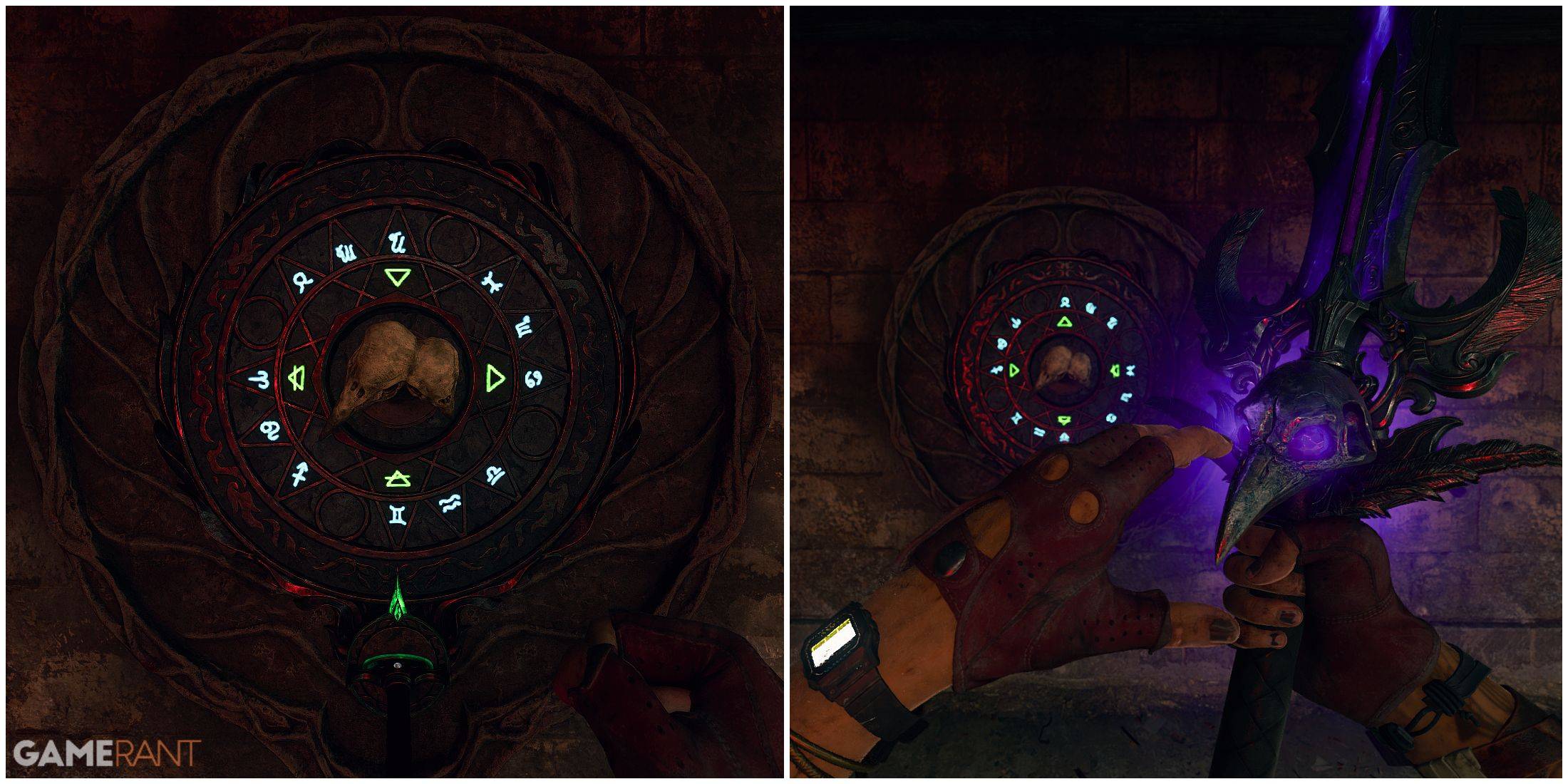 Black Ops 6 Zombies: cómo configurar los anillos del círculo de invocación en Citadelle des Morts
-
 Roblox: Códigos de defensa de la torre de Bob Esponja (enero de 2025)
-
 Persona 5: Fugas de prueba de Phantom X en SteamDB